Thinking About Beef Tallow for Your Face? Read This First
Learn how to use tallow on your face, how much to apply, when to use it, and how to choose quality halal, grass-fed tallow skincare in Canada.
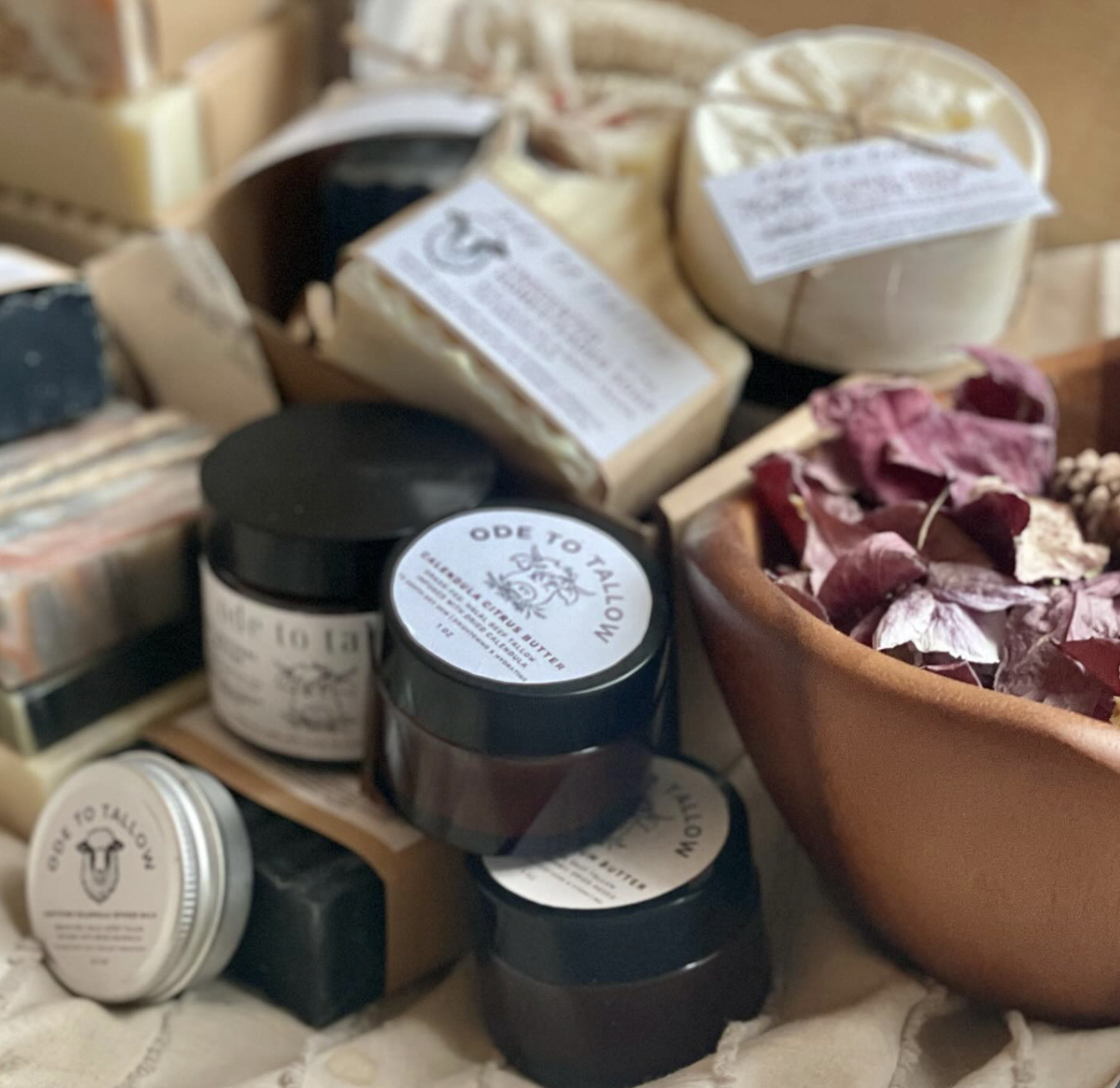
Using our halal & grassfed beef tallow products on your face doesn't have to be complicated. Here’s what we suggest.
Which Tallow Soap is Right For You?
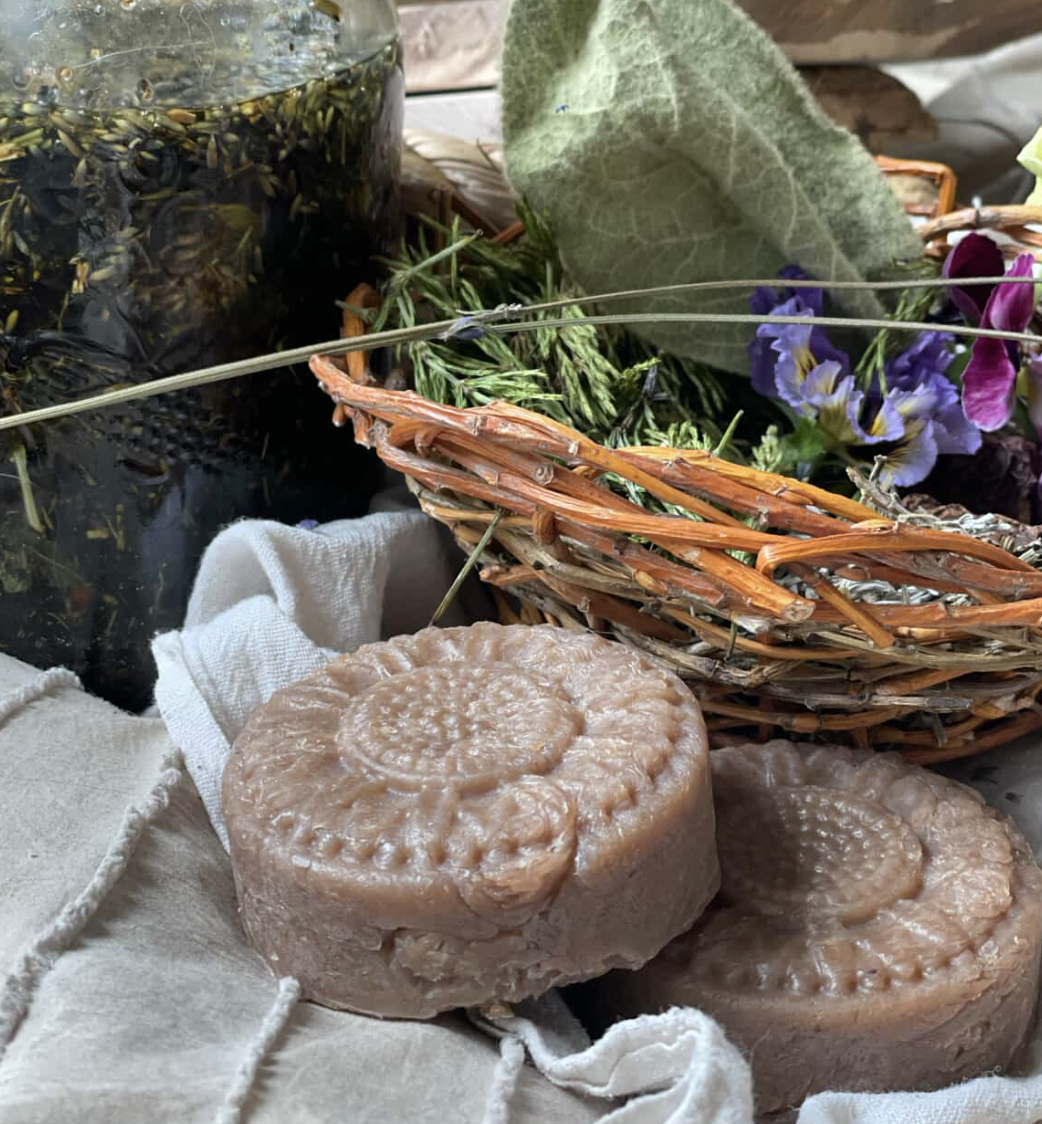
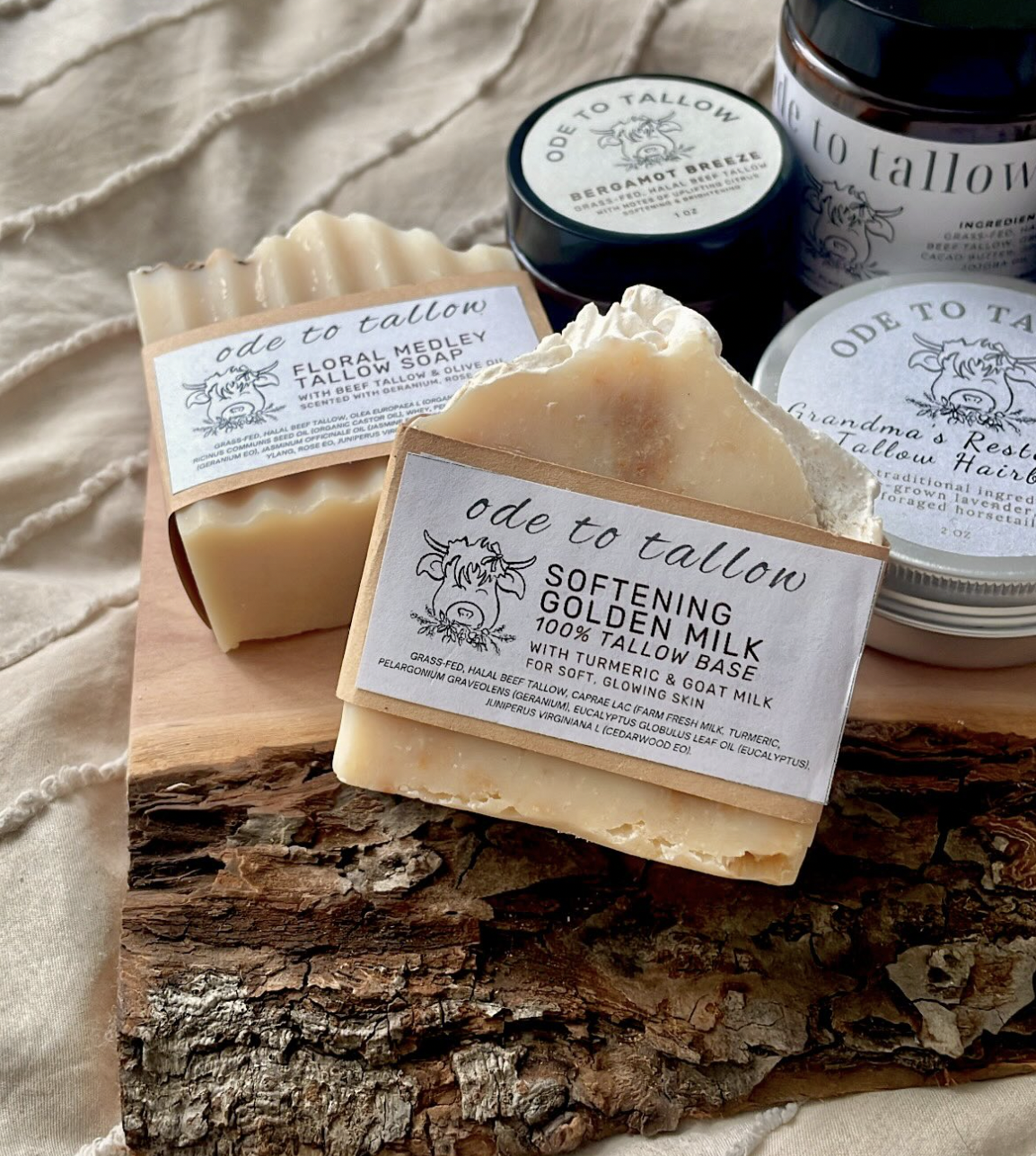
Our beef tallow soaps are Cold Process Soaps made with locally sourced, halal, grassfed, and grassfinished beef tallow. The fatty acid profile in tallow along with its vitamin content makes it a gentle, moisturizing soap which cleanses without stripping the skin.
Are all tallow soaps created equal? Are some better for you than others?
Read on to find out…
Is Tallow Skincare Too Heavy for Summer? Here's Why Your Skin Barrier Loves It
Mom and I constantly get asked, is tallow too heavy for summer?
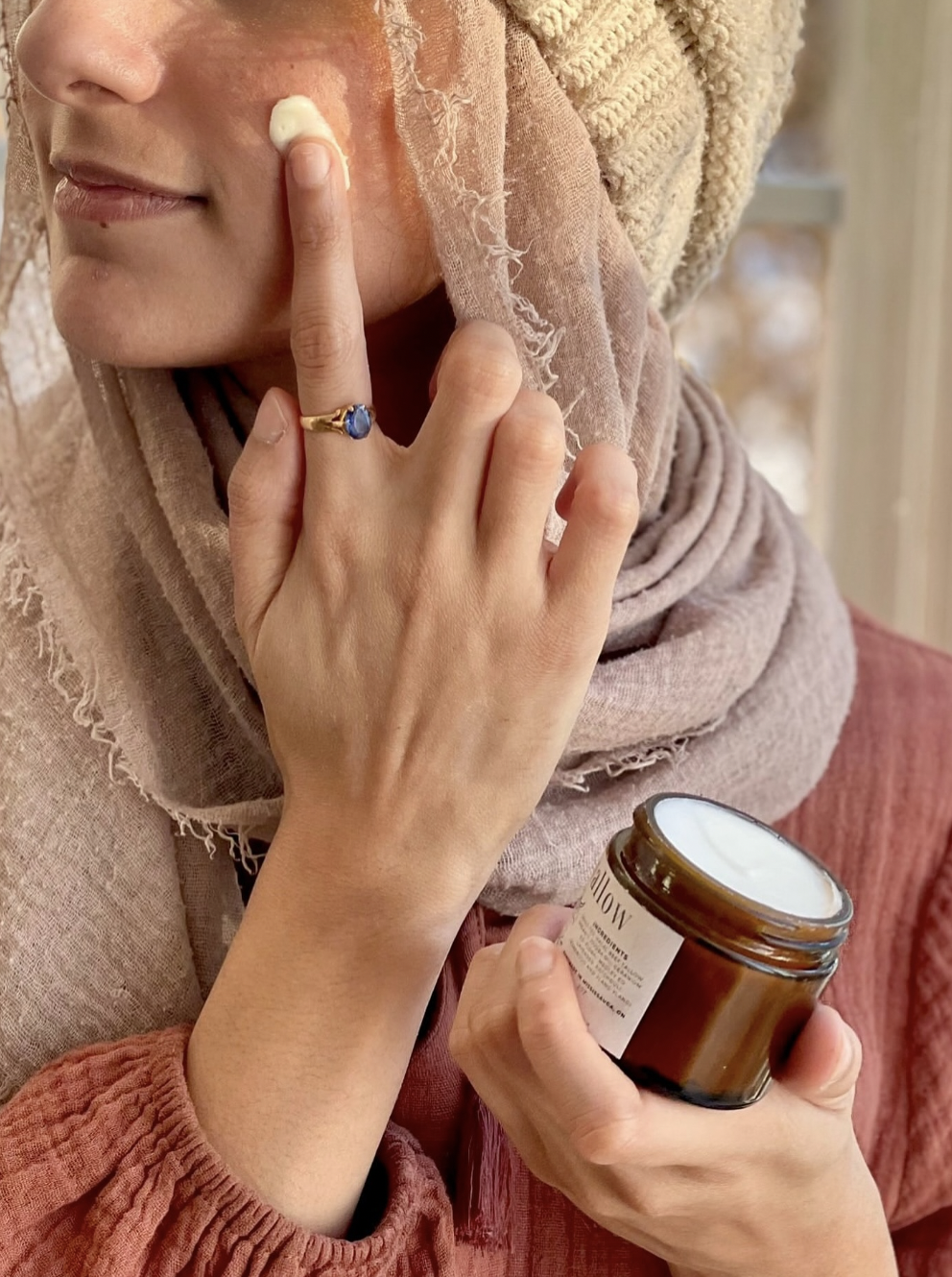
We get it! When we think tallow aka beef/sheep fat, we think heavy, dense, even greasy. But I’m here to tell you that pure kidney fat from grassfed and grassfinished animals is ideal for ALL seasons.
Why We Only Use Grass-Fed & Grass-Finished Tallow in Our Skincare
When exploring tallow-based skincare, you have probably come across ‘Grass-Fed’ vs ‘Grain-Fed’ Beef and Sheep Tallow. The question is… which is better?
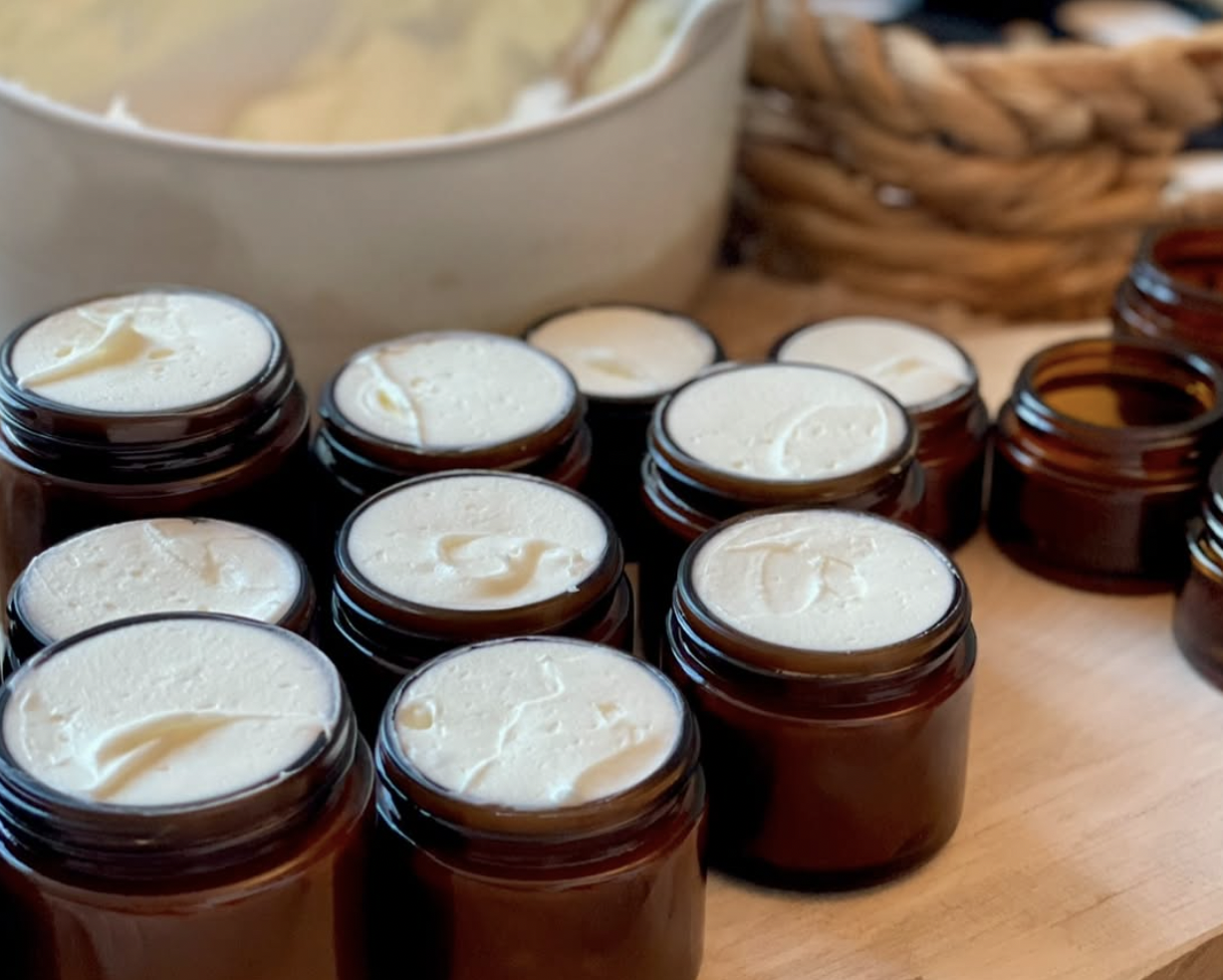
Here in Canada, finding Halal AND Grassfed/Grassfinished Tallow is no easy task. After researching grass vs grain fed, we made it a priority to source grass-fed and grass-finished tallow for our skincare line, and here’s why.
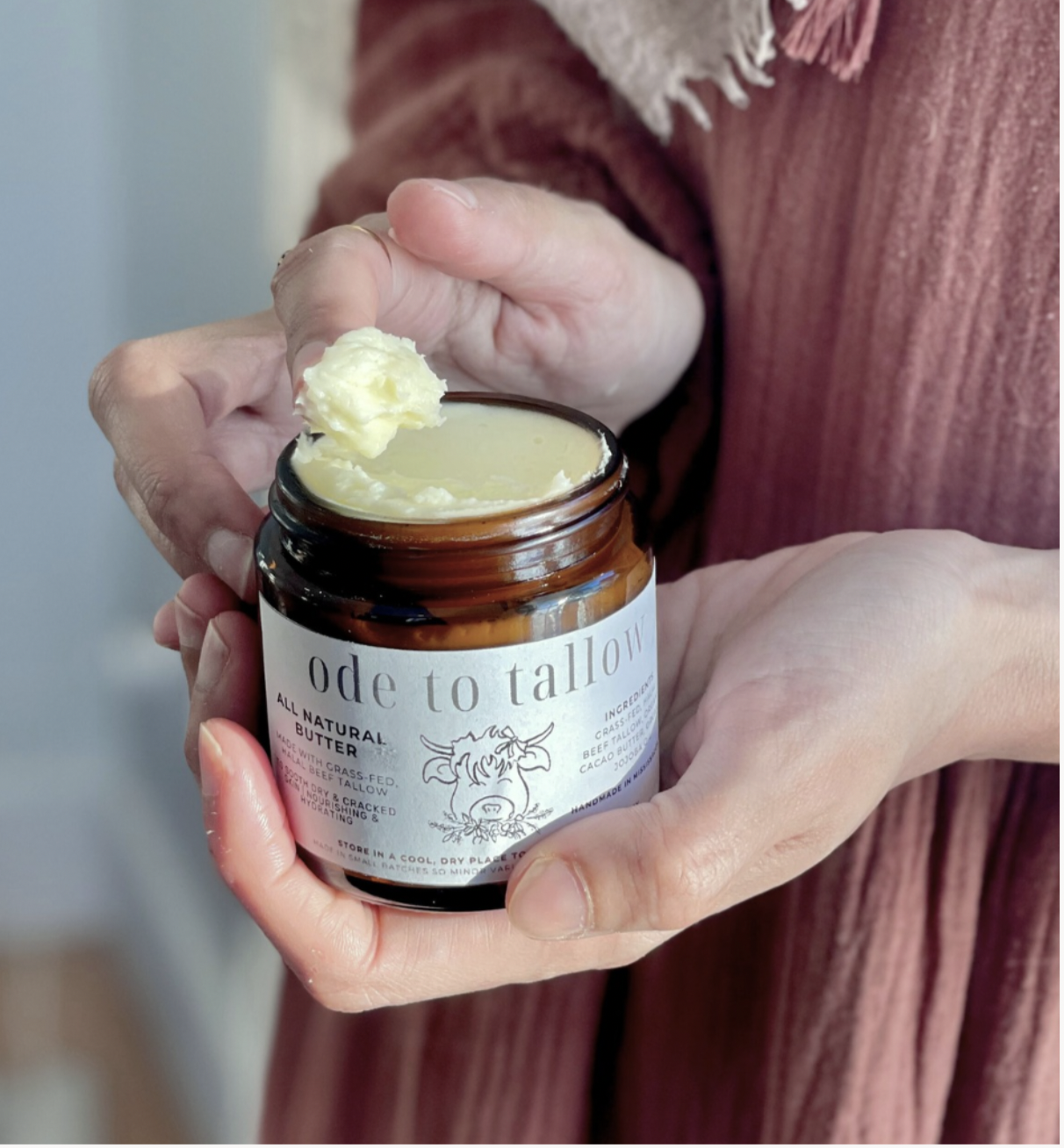
Beef Tallow for Eczema-Prone Skin: Benefits and What to Expect
If you have been struggling with dry, irritated, or eczema-prone skin, you’ve likely tried countless creams and lotions—often with mixed results.
Recently, many people have started turning to a more traditional option: beef tallow.
But where does it actually fit when it comes to caring for eczema-prone skin? And what should you realistically expect?
Is Beef Tallow Skincare Ethical and Cruelty Free?
Eight years ago, my mom and I began our journey into clean skincare. Like many people trying to move away from conventional products, we experimented with everything we could find: cocoa butter, shea butter, coconut oil, essential oils, carrier oils—you name it. We were searching for something simple, natural, and truly nourishing for the skin.
Then, a few years in, we stumbled upon tallow.
It came through a random YouTube video from a homesteader who raised her own cows and used tallow to make everything from body butters & balms to soaps & candles. Mom instantly remembered how her own grandmother used to use beef and goat tallow in her village back home in Pakistan.
Is Beef Tallow Skincare Just a Trend? Benefits of Grass fed Beef Tallow Skincare
In the Middle Ages, Tallow (and animal fats in general) were commonly used in candle-making and soap-making. Ancient Egyptians even used it for sun protection! They would render animal fats including tallow, and use as balms to keep skin supple and protect against the harsh sun. Tallow was a sustainable way of using a common byproduct to make healing creams and long-lasting soap.