Why We Only Use Grass-Fed & Grass-Finished Tallow in Our Skincare
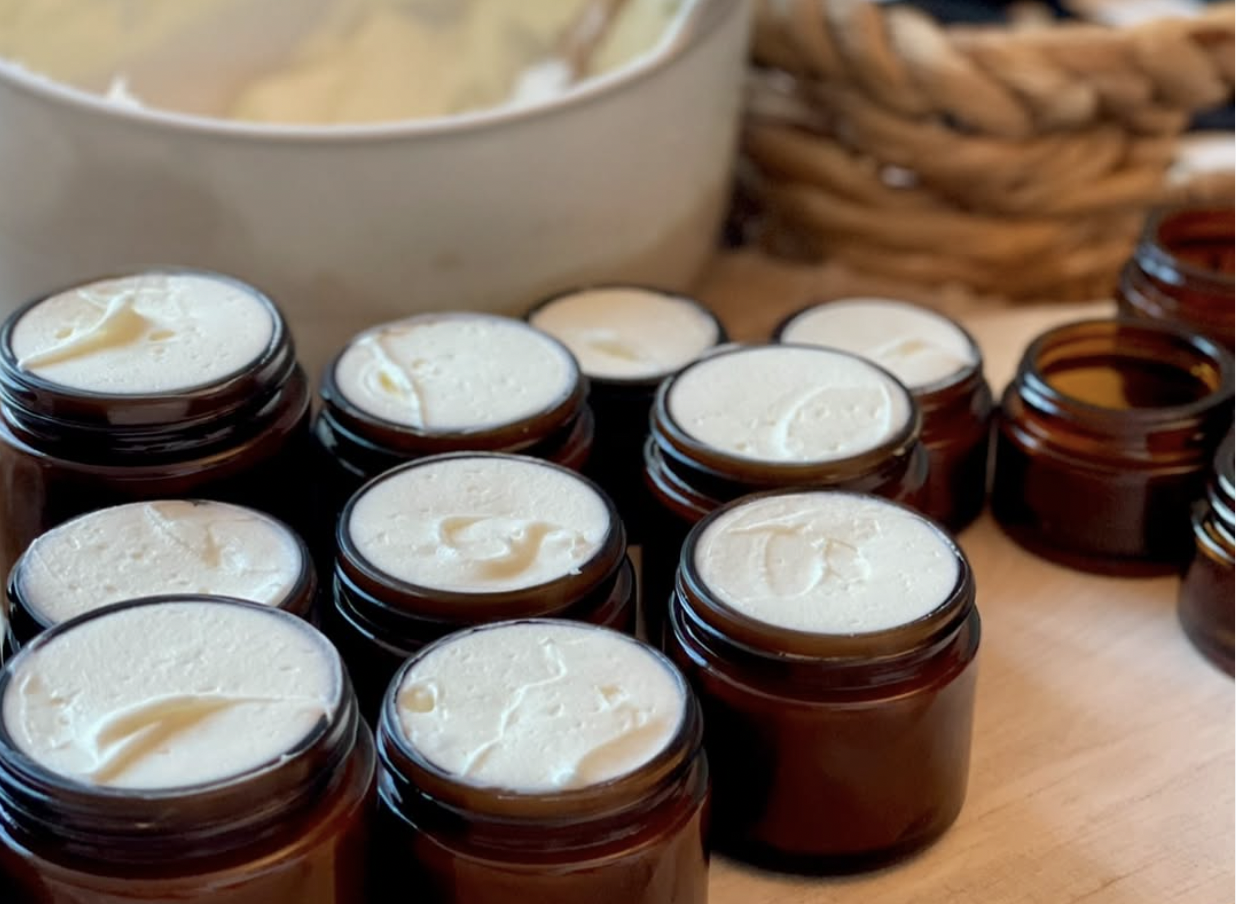
When exploring tallow-based skincare, you have probably come across ‘Grass-Fed’ vs ‘Grain-Fed’ Beef and Sheep Tallow. The question is… which is better?
Here in Canada, finding Halal AND Grassfed/Grassfinished Tallow is no easy task. After researching grass vs grain fed, we made it a priority to source grass-fed and grass-finished tallow for our skincare line, and here’s why.
What Is Grass-Fed & Grass-finished Tallow?
Grass-fed tallow is rendered fat from cattle raised primarily on pasture. The majority of grass-fed cattle is grain-finished, meaning the last few months of their lives are spent eating grain.
Grass-fed AND grass-finished tallow is from cattle raised on pasture until the end of their life. Since these animals never have grains, their meat and fat is much more nutrient dense.
In skincare, many look for grass-fed and grass-finished beef tallow because of its superior nutrient profile. Studies have shown that grain-fed beef tallow is not as rich in its vitamin & fatty acid profile compared to its grass-fed counterpart.
DID YOU KNOW: A Pubmed study showed how “A 100 g beef meat from grass-fed cattle contained 2,773 mg less total saturated fatty acids (SFA) than that from the same amount of grain-fed.”
Why is this important? Key saturated fatty acids like stearic and palmitic acids (primarily found in beef tallow) are known to help repair the skin barrier and lock in moisture effectively. They can also help with skin elasticity and common skin issues like eczema flares and flaking.
Grass-Fed vs Grain-Fed Tallow for Skin
Here are some primary differences when it comes to sourcing beef and sheep tallow:
Grass-fed tallow:
From small farm, pasture-raised cattle
Often used in small-batch skincare
Its quality is typically higher than Grain-fed cattle
Grain-fed (conventional) tallow:
From feedlot-raised cattle
More common in mass production
Can vary more in quality and consistency
Your skin interacts directly with what you apply. Being our largest organ, it’s important to be intentional when choosing creams, soaps, and fragrances that we apply directly on.
With our tallow-based products, we prioritize quality above all else.
Not only do we source from a small Canadian, Muslim-Owned Farm and make sure our Beef and Sheep Tallow is hormone & antibiotic free, but we also pair it within minimal, organic ingredients to create skincare ideal for even the most sensitive skin.
How Grass-Fed & Grass-Finished Tallow Supports the Skin
Beef Tallow is bio-similar to us since it contains fatty acids that are naturally found in our skin. With grass-fed and finished tallow, the fatty acid content is denser and the nutrients are more potent, making it a close resemblance to our sebum (skin oil)
Because of this, our customers find our Tallow Face & Body Butters:
Moisturizing without feeling overly heavy
Easy to spread and absorb in small amounts
Soothing and Helpful for common skin concerns
They also find our Tallow Face & Body Soaps::
Cleansing while very Gently
Not overly stripping
Does not worsen (but in fact soothes inflamed, dry, and acne prone skin)
Does Grass-Fed Tallow Clog Pores?
Grass-fed tallow is not inherently pore-clogging. Because it is bio-identical to our skin, it absorbs deeply and does not sit heavily on the skin.
To reduce the chance of breakouts:
Apply a small amount
Use on slightly damp skin
Avoid layering too many heavy products
Final Thoughts
Grass-fed and Grass-finished beef tallow is not about trends—it’s about intentional sourcing, simple formulas, and consistent use.
There is a reason generations before us used beef and sheep tallow regularly and benefited massively. There is deep wisdom in ancient practices and it is what inspired Mom and I to begin Ode to Tallow in the first place.
FAQ
Is grass-fed tallow better for skin?
We prioritize sourcing Grass-fed AND grass-finished tallow in our skincare because it is more nutrient dense, richer in essential fatty acids, and mainly found in ethical, small farms.
What is the difference between grass-fed and grain-fed tallow?
Grass-fed tallow often comes from pasture-raised cattle, while grain-fed tallow comes from feedlot-raised animals. The difference mainly affects sourcing, processing, and the effectiveness of the tallow in skincare
Is tallow good for sensitive skin?
Yes! The majority of our customers are those with sensitive skin. We have unscented and naturally scented (with floral infusions & essential oils) products to suit every skin type.
Can you use tallow on your face?
Definitely. Our butters are for the face AND body, Simply apply a small amount to clean, slightly damp skin. Start once daily and adjust based on how your skin responds.
Many of our soaps are popular for face soaps as well. Our Charcoal Glow with Turmeric is wonderful for oily-prone skin, and our Rose-Vanilla Cream and Tallow-Goat Milk Soaps are wonderful for dry skin.
Disclaimer
This content is for informational purposes only and is not intended as medical advice. Always consult a qualified healthcare professional for concerns related to skin conditions.
